
Stroke
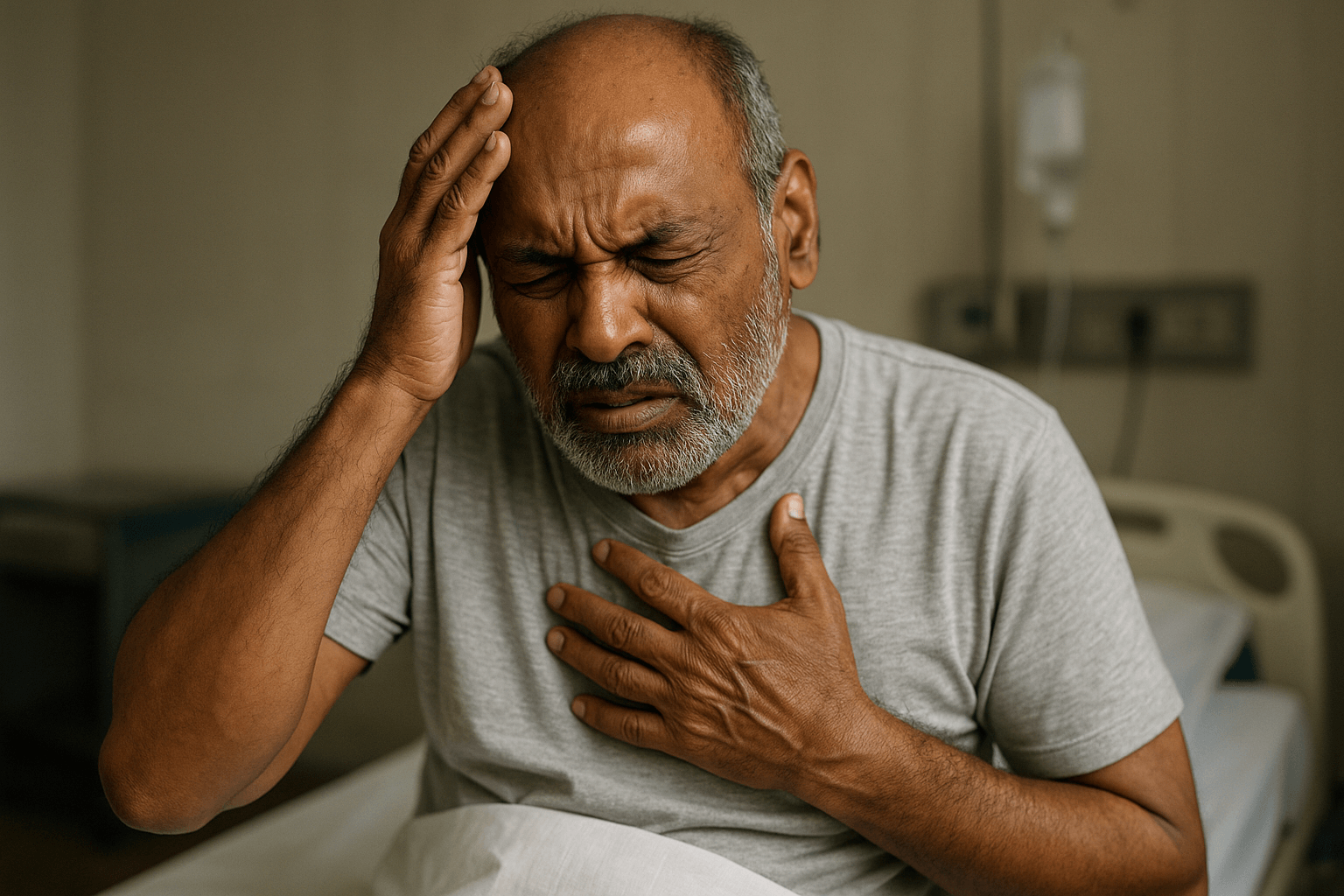
A stroke happens when blood flow to the brain is interrupted or reduced, depriving brain tissue of oxygen. Within minutes, brain cells begin to die. Stroke is a medical emergency, but with rapid diagnosis and advanced treatments, many patients can recover and regain independence.
What Is a Stroke?
A stroke occurs when blood vessels in the brain either become blocked (ischemic stroke) or rupture and bleed (hemorrhagic stroke). In both cases, parts of the brain are damaged because they are starved of oxygen.
In simple words: stroke is like a “brain attack”, and just like a heart attack, immediate treatment can save life and function.
Types of Stroke We Treat
- Ischemic Stroke – caused by blood clots or narrowed arteries
- Hemorrhagic Stroke – bleeding due to ruptured vessels or aneurysms
- Transient Ischemic Attack (TIA) – also called “mini-stroke,” temporary symptoms but warning sign for future strokes
Why Treat Stroke Immediately?
- Every Minute Counts: Millions of brain cells die each minute without blood flow.
- Prevents Disability: Timely treatment reduces risk of paralysis, speech loss, or memory issues.
- Restores Independence: Fast care increases chances of walking, speaking, and living normally again.
- Proven Methods: Modern interventions like clot-busting drugs and mechanical thrombectomy save lives worldwide.
Treatment Options We Offer
1. Intravenous Thrombolysis (tPA)
A “clot-busting” medication given within 4.5 hours of symptom onset to dissolve clots in ischemic stroke.
2. Mechanical Thrombectomy
A minimally invasive procedure where a catheter is used to physically remove the blood clot from the brain artery — effective even up to 24 hours in selected patients.
3. Aneurysm & AVM Treatment
For hemorrhagic strokes, procedures such as coiling, stenting, or embolization are used to stop bleeding and prevent recurrence.
4. Neurocritical Care
Advanced ICU care for patients with severe strokes, ensuring brain protection and stabilization.
5. Stroke Rehabilitation
Physiotherapy, occupational therapy, speech therapy, and cognitive training to maximize recovery and independence after stroke.
What to Expect During Treatment
- Rapid Diagnosis – CT/MRI scans immediately to confirm type of stroke.
- Immediate Action – Depending on findings, either clot-busting medicine, thrombectomy, or bleeding control is performed.
- Close Monitoring – Patients are admitted to a stroke unit or ICU for neurological observation.
- Rehabilitation Support – Customized recovery program begins early to regain movement, speech, and daily skills.
When Should You Seek Stroke Treatment?
- If you experience sudden weakness or numbness in face, arm, or leg (especially one side)
- If you have difficulty speaking, understanding, or vision changes
- If you notice loss of balance, dizziness, or severe headache
- If you had a mini-stroke (TIA), as it signals higher risk of a major stroke
Why Choose Us?
With over 20 years of experience in acute stroke care and neurovascular procedures, I provide 24×7 emergency stroke treatment including clot-busting therapy, mechanical thrombectomy, and advanced neurocritical care. Our comprehensive stroke rehabilitation ensures long-term recovery and improved quality of life.
Take the Next Step Towards Recovery
Stroke doesn’t have to mean permanent disability. With timely and advanced stroke treatment, you can protect your brain, regain independence, and live a fulfilling life again.