
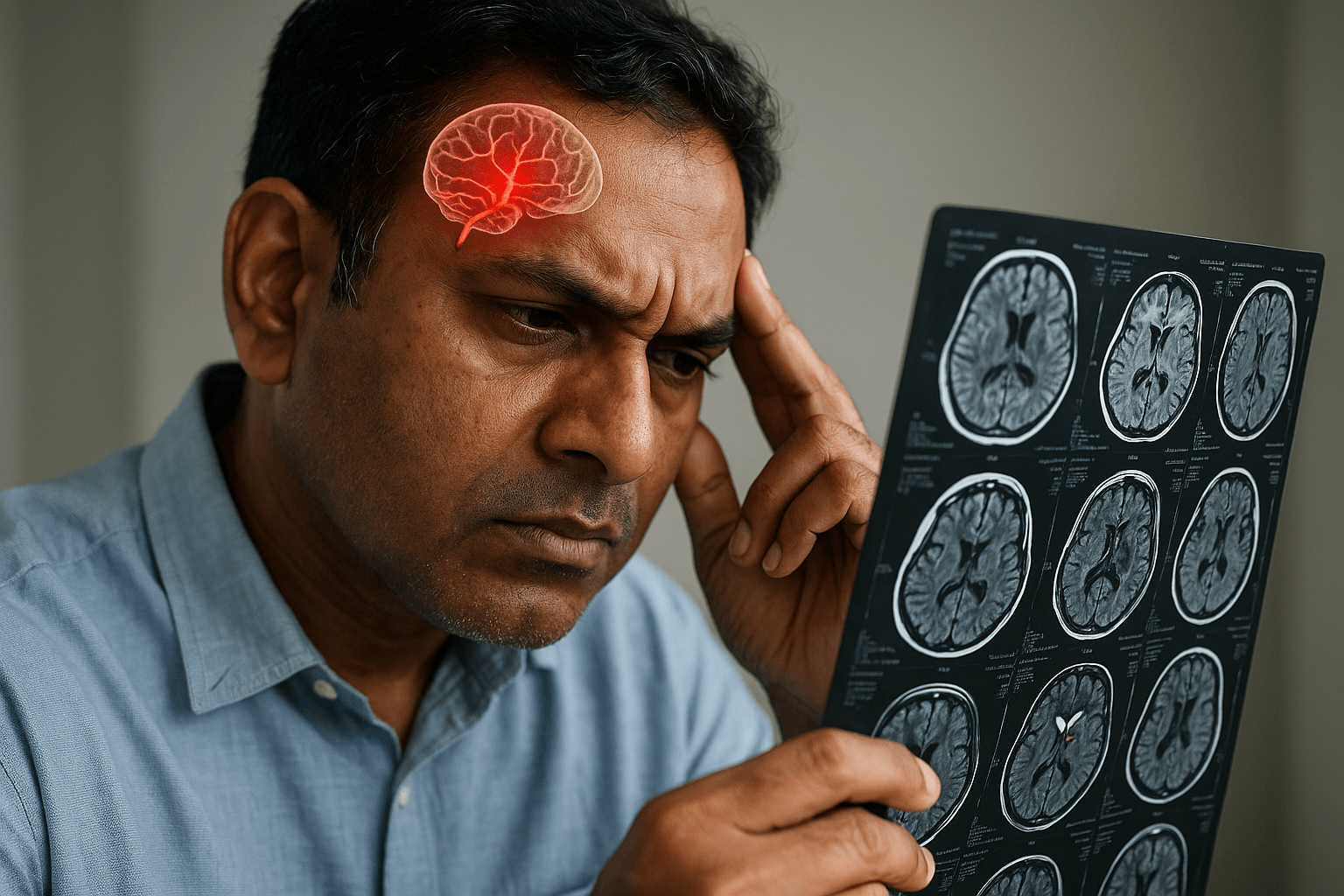
Cerebral Venous Thrombosis (CVT)
There are two pathways that supply blood to an organ.
One is an artery that supplies fully oxygenated blood from the heart to the brain.
The other is the vein that brings back toxins released by the organ back to the heart via the deoxygenated blood.
Cerebral Venous thrombosis is self-explanatory. Cerebral meaning brain, venous meaning the veins of the brain, and thrombosis, meaning to clot within the veins.
It is a rare yet serious neurological disorder in which blood clots develop in the brain’s venous sinuses, blocking normal blood drainage. This blockage can lead to increased brain pressure, swelling, or even hemorrhagic stroke.
Approximately 90% of patients with cerebral venous thrombosis respond to blood-thinning medications. 10% of the patients do not.
Early detection, medical management, and detecting the resistance to medical therapy in these 10% of patients is crucial.
Expert interventions are essential in this subgroup of patients who are non-responders to medical therapy through modern and cutting-edge minimally invasive treatment from leading neurovascular interventionist Dr. Amit Aslam Khan in Delhi.
Signs & Symptoms to Watch out for
Early detection of CVT can save lives. The following are the most typical symptoms:
- Persistent or severe headaches
The most common symptom is an ongoing headache. In contrast to ordinary headaches, pain from CVT often worsens over a few days and can shift in location or intensity. Typically, pain relievers are not effective for it. - Changes in vision or Blurred vision
As pressure builds inside the brain the skull, patients can experience blurred or double vision. Some may have a rapidly progressive loss of vision or see flashing lights. - Nausea and Vomiting
An increase in intracranial pressure can lead to unexplained nausea or constant vomiting. - Seizures
About 30 to 40 percent of patients experience seizures. These may be generalized (whole-body convulsions) or focal (affecting only one limb or side of the body).
Important: If you or someone close experiences these symptoms, seek emergency neuro care immediately. Timely diagnosis and treatment significantly improve outcomes.
What Causes CVT?
Cerebral Venous Thrombosis can occur when any factor increases the blood’s tendency to clot and occlude the veins draining the brain. While some patients have no identifiable cause, the following risk factors are commonly linked:
- Dehydration
Loss of fluid thickens the blood, increasing the risk of clot formation, especially in young adults and postpartum women. - Pregnancy and Postpartum Period
Hormonal changes during pregnancy and the first few weeks after delivery significantly increase the risk of clotting. - Use of Oral Contraceptives or Hormone Therapy
Estrogen replacement therapy and birth control pills can make blood more prone and clotting. - Clotting Disorder (Thrombophilia)
Genetic or acquired disorders, such as protein C or S deficiency, Factor V Leiden mutation, and antiphospholipid syndrome, increase clot risk.
Advanced CVT Treatment with Dr. Amit Aslam Khan
As one of India’s leading Neurovascular Interventionists, Dr. Amit Aslam Khan combines clinical expertise with advanced, minimally invasive treatments to help patients recover safely and completely.
His approach emphasizes timely intervention, precision diagnosis, and holistic care.
Diagnostic Approach
Diagnosing CVT requires specialized imaging and laboratory tests to confirm the clot guide treatment:
- MR Venography (MRV) combined with MRI
This advanced imaging study helps and clearly show blocked veins and helps to rule out other brain disorders. - CT Scan
It’s helpful to identify bleeding and swelling in the brain that may require urgent treatment. - Blood Test
Assess underlying autoimmune disorders, infection markers, and clotting function. - D-mimer Testing
Increased levels may indicate the development of an active clot.
Before beginning treatment, Dr. Khan uses these tools to build a comprehensive picture of each patient’s condition.
Treatment Options
Treatment is individualized based on the clot’s location, severity, and underlying causes:
- Anticoagulant Therapy
- The first-line treatment for almost all CVT cases.
- Involves blood thinners like heparin, which prevent clots from growing further and allow the body to naturally dissolve them over time.
- To balance the risk of bleeding and clot resolution, close observation is necessary.
- Endovascular Clot Removal (Mechanical Thrombectomy)
- Reserved for extreme situations or patients who don’t react to medicine.
- A minimally invasive, catheter-based technique in which Dr. Khan removes the clot by inserting a tiny device through the veins.
- Usually carried out without the need for open brain surgery through a tiny puncture in the groin.
- Thrombolysis
- Involves using a microcatheter to deliver a drug that dissolves clots straight into the obstructed sinus.
- Used with caution and under the guidance of a skilled Neurointerventionist like Dr. Khan in life-threatening situations.
- Critical Care Support
- Patients with severe brain swelling, seizures, or pressure changes are monitored in the intensive care unit (ICU).
- Supportive measures include:
- Anti-seizure medications
- Controlling intracranial pressureCareful fluid and electrolyte balance
- Continuous neurological assessments.
Mind-Body Healing During Recovery
Dr. Khan is adamant that healing goes well beyond removing a clot. To improve quality of life, he uses comprehensive neurorehabilitation as part of his treatment philosophy.
- Neuro-rehabilitation Therapy
Helps in regaining coordination, strength, and balance - Cognitive Rehabilitation
Helps with problem-solving, memory, and focus. - Physiotherapy
Enhances mobility and guards against immobility-related problems. - Healing through mindfulness
Relaxation methods, yoga, and meditation can help lessen the emotional strain and anxiety brought on by serious illness.
“Healing the brain isn’t just medical—it’s mental, emotional, and deeply personal. The right guidance can turn fear into strength.” ~ Dr. Amit Aslam Khan.